Robotics and Coding Classes for Children in Accra: Ages, Fees, Locations and What to Expect
Before enrolling your child, understand the age progression, class structure, safety standards, fee components and evidence that separates serious learning from digital entertainment.
The central idea
This guide gives families a practical method for choosing a class and asking the questions that matter before paying.
Editorial evidence note
This is a decision guide, not an independent ranking or fixed quotation. Costs, schedules and programme availability must be confirmed through a written assessment.
How a Ghanaian institution could apply this guide
Imagine a leadership team using the five decision areas in this article before committing funds. Instead of beginning with a preferred product, the team defines learner outcomes, checks readiness, requests comparable evidence and pilots the highest-risk assumption. That process creates a defensible decision and gives InovTech—or any provider—a clearer standard to meet.
Why this decision matters
For parents and caregivers in Accra, the decision affects educational quality, finances and trust. Parents may see terms such as robotics, AI and coding used interchangeably even when programmes vary widely in depth, supervision and age appropriateness.
This guide gives families a practical method for choosing a class and asking the questions that matter before paying. The aim is not to rush the reader toward a purchase; it is to make the requirements for a strong decision unmistakably clear.
What children should learn at different ages
Early learners need sequencing, mechanisms and playful cause-and-effect. Primary learners can use blocks, sensors and guided design. Teenagers should progress toward text coding, data, electronics and increasingly independent projects.
The practical question is whether this principle is visible in plans, budgets, learning materials and day-to-day responsibilities. Institutions should ask for evidence, test assumptions on a manageable scale and document who owns the next action.
What a strong session looks like
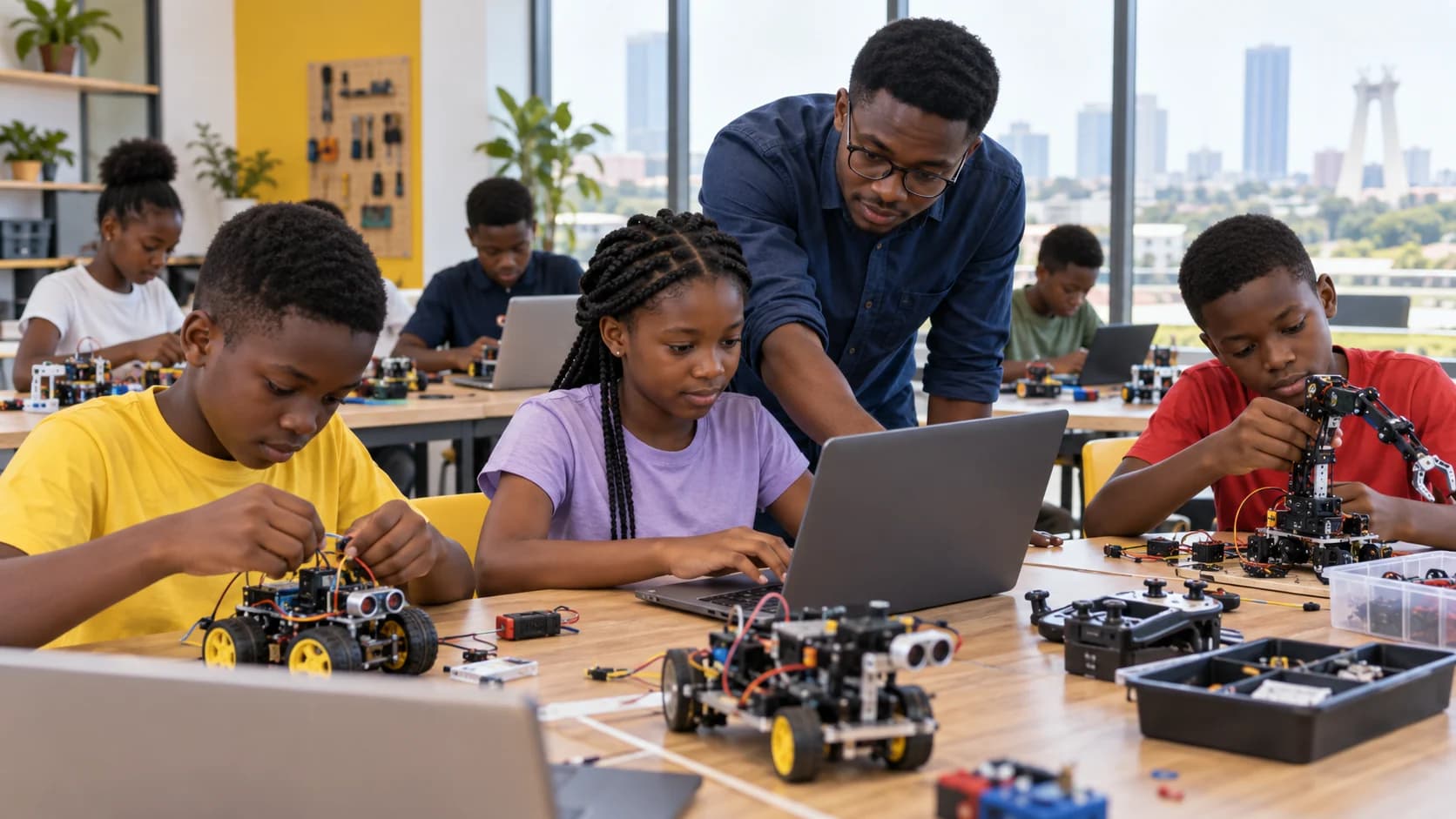
Children should spend most of the session predicting, building, coding, testing, discussing and revising. Short explanations support action; they should not replace it.
The practical question is whether this principle is visible in plans, budgets, learning materials and day-to-day responsibilities. Institutions should ask for evidence, test assumptions on a manageable scale and document who owns the next action.
How fees should be understood
Ask whether published fees include registration, equipment use, software, project materials, competitions, certificates and replacement charges. InovTech confirms current fees directly because programme format and duration can change.
The practical question is whether this principle is visible in plans, budgets, learning materials and day-to-day responsibilities. Institutions should ask for evidence, test assumptions on a manageable scale and document who owns the next action.
Location, schedule and practical fit
A technically strong class still fails a family when travel, timing, session length or missed-class policies are unrealistic. Parents should assess consistency across an entire term.
The practical question is whether this principle is visible in plans, budgets, learning materials and day-to-day responsibilities. Institutions should ask for evidence, test assumptions on a manageable scale and document who owns the next action.
How to evaluate progress
Ask your child to explain a project, show earlier and later work, describe an error and identify the next challenge. These signals reveal more than a certificate alone.
The practical question is whether this principle is visible in plans, budgets, learning materials and day-to-day responsibilities. Institutions should ask for evidence, test assumptions on a manageable scale and document who owns the next action.
Your practical next step
Contact InovTech for current Accra schedules, age placement and enrolment availability. A useful first conversation should clarify learners, objectives, location, timetable, current capacity, constraints and the evidence required for a decision.
InovTech can then recommend an appropriate pathway rather than forcing every institution into the same package.
- Age-appropriate progression
- Qualified, supervised facilitators
- Clear fee inclusions
- Safe class size
- Visible learner ownership
Frequently asked questions
What age can a child start robotics in Accra?
Children can begin foundational robotics thinking from about age four when activities are developmentally appropriate, physical and closely supervised.
How much do robotics classes in Accra cost?
Fees vary by duration, equipment, class size and programme model. Request the current written fee schedule and confirm everything included before enrolment.
Put the article into practice
- 1Age-appropriate progression
- 2Qualified, supervised facilitators
- 3Clear fee inclusions
- 4Safe class size
- 5Visible learner ownership