Girls in STEM Need More Than Inspiration. They Need Power, Practice and Belonging.
A motivational talk can open a door. Sustained participation requires something deeper: technical responsibility, visible progression, trusted mentors and environments designed for belonging.
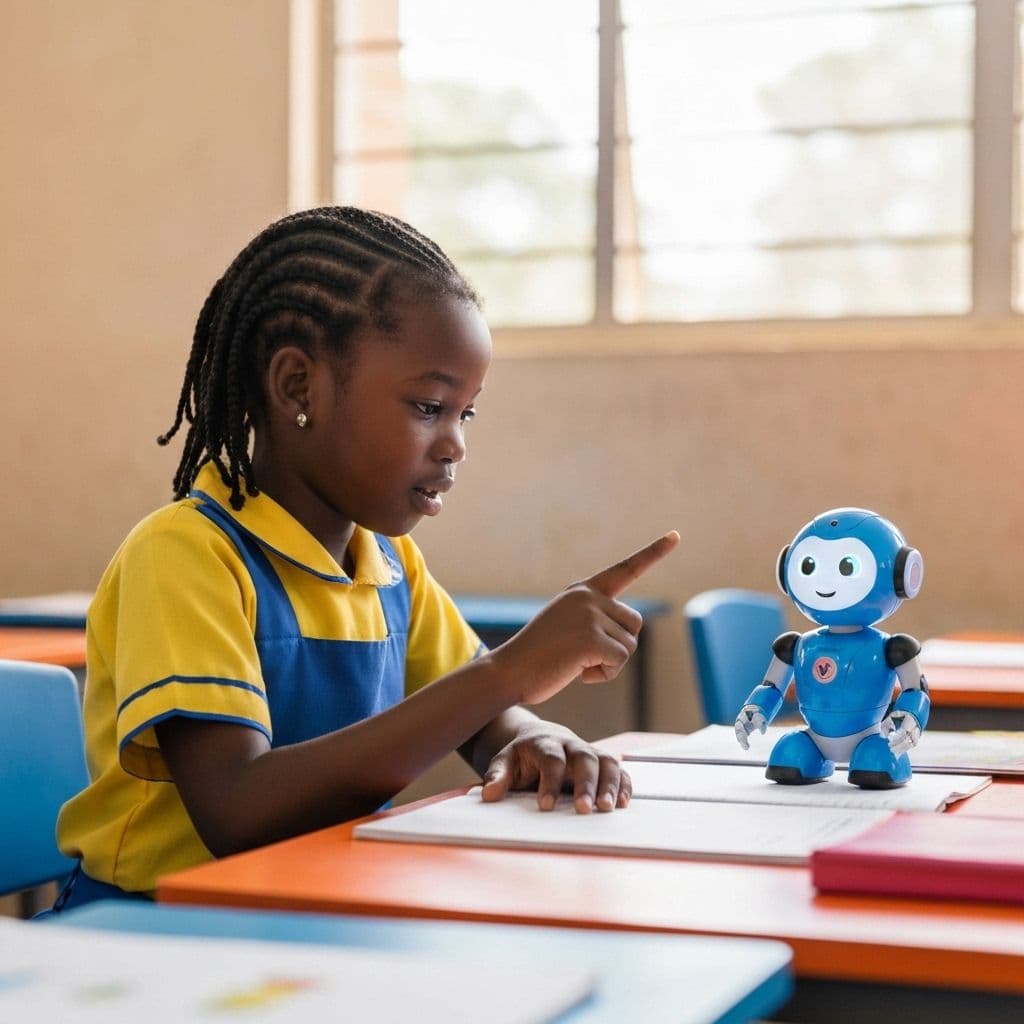
The central idea
Girls remain in STEM when programmes move from encouragement to genuine technical ownership, consistent practice and a culture in which their competence is expected.
Inspiration is the beginning, not the intervention
Role models matter because they expand what a learner can imagine. But imagination needs somewhere to go. If girls are invited to hear about engineering yet rarely control the equipment, write the code or lead the design review, the programme celebrates possibility without transferring power.
The measure of inclusion is participation in consequential work. Who makes decisions? Who troubleshoots? Who explains the system? Who is trusted with failure?
Belonging is built through repeated evidence
Confidence does not arrive through praise alone. It grows when a learner attempts a demanding task, receives useful feedback and sees her capability improve. Programmes should make progression visible so that girls can point to what they can now design, build and explain.
This is especially important when stereotypes have taught learners to interpret difficulty as proof that they do not belong. In a strong STEM culture, struggle is normalised as part of expertise.
- Rotate meaningful technical roles
- Teach collaboration explicitly
- Use feedback that names strategy and growth
- Show diverse pathways into STEM
- Address exclusion immediately
- Invite families into the learning journey
Mentorship must connect identity to action
The strongest mentors do more than tell success stories. They help learners interpret setbacks, navigate choices and see the daily practices behind a career. Mentorship becomes powerful when it is connected to projects, reflection and next steps.
Design for safety and voice
Inclusive programmes need clear safeguarding, respectful communication and trusted reporting routes. Learners should be able to ask questions without ridicule and disagree without being dismissed. Psychological safety is not separate from technical excellence; it is one of its conditions.
From participation to leadership
InovTech’s Powered Girl approach is designed around hands-on practice, mentorship and leadership. The ambition is not simply to increase attendance. It is to help young women become creators who can enter technical spaces with evidence of their own ability—and the confidence to make those spaces better for others.
Frequently asked questions
How can schools encourage more girls to pursue STEM?
Give girls sustained hands-on practice, meaningful technical roles, visible progression, mentors, family support and a safe environment where competence is expected.
Why are girls-only STEM experiences useful?
They can provide focused practice, mentorship and leadership opportunities, especially when combined with broader work to make all learning environments inclusive.